Everyone has a morning ritual.
● Module 1 – English Blocks
Learning Objective: Falar sobre o início do dia de forma natural cria conexões rápidas com outras pessoas.
Good Morning.
Everyone has a morning ritual.
You learn by doing. O conhecimento só se fixa quando você associa as palavras à sua realidade física.
English Blocks: Welcome to your morning routine.
Look at the images of a normal morning in your mind.
Focus on the reality of these objects.
Diga as palavras em voz alta.
Conectar objetos reais aos sons em inglês treina a sua mente para reagir sem pensar.
O objetivo aqui não é traduzir.
O objetivo é reconhecer o padrão e usar no mundo real.
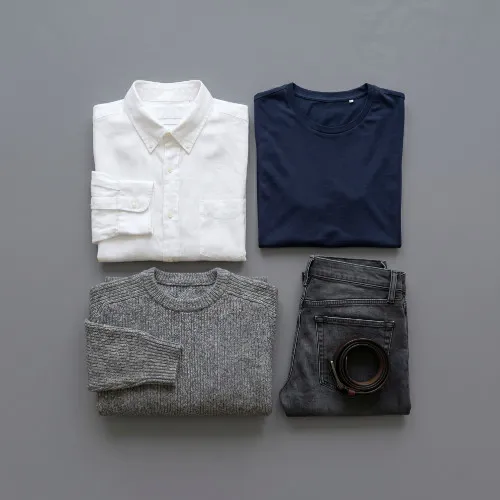
Clothes | A bed | A toothbrush | A coffee cup | Keys
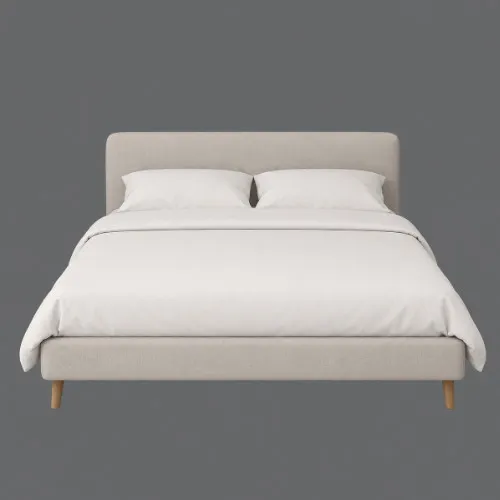
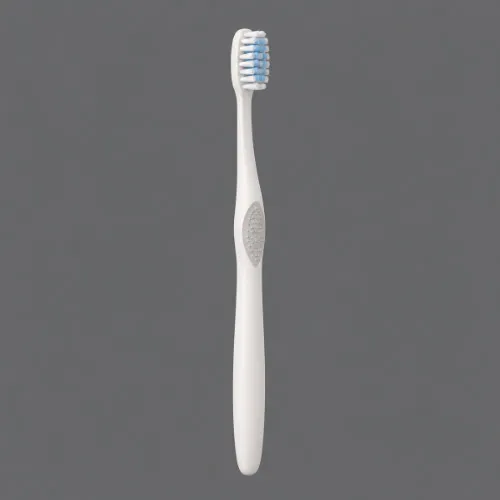
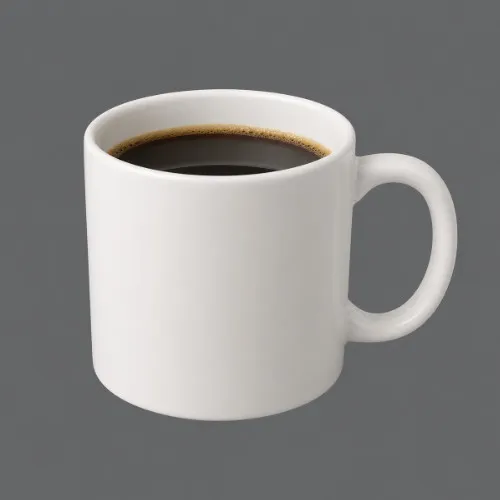
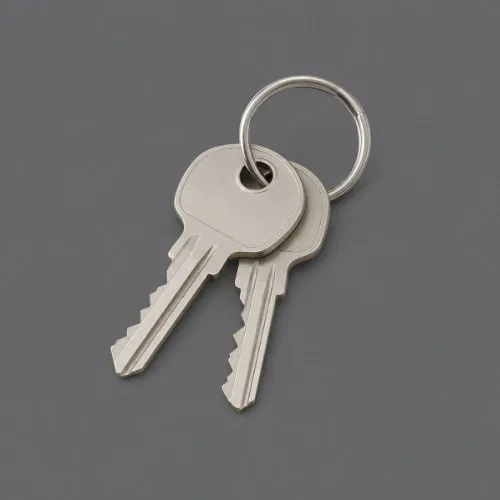
Pattern Recognition.
Here are the core language blocks.
Read the main phrase.
Read the short examples.
See how the pattern works in real life.
Usamos este bloco exato para marcar o primeiro momento do seu dia.
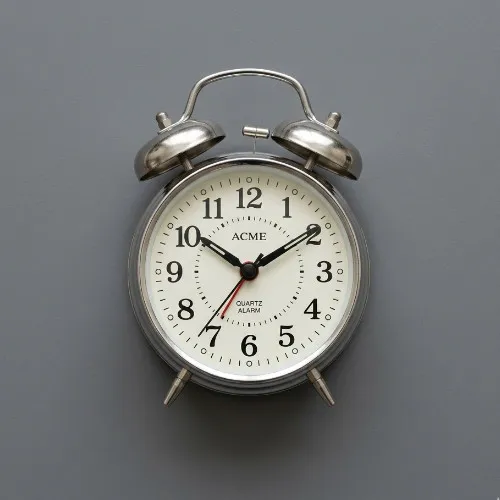
I wake up at 6 o’clock every morning.
I wake up early.
I wake up at 7 o’clock on weekends.
I wake up happy.
Combina duas ações físicas automáticas em um som fluido.
I brush my teeth and wash my face.
The water is cold.
I use toothpaste.
I wash my face quickly.
Por que funciona: A palavra ‘Then’ empurra a história para frente.
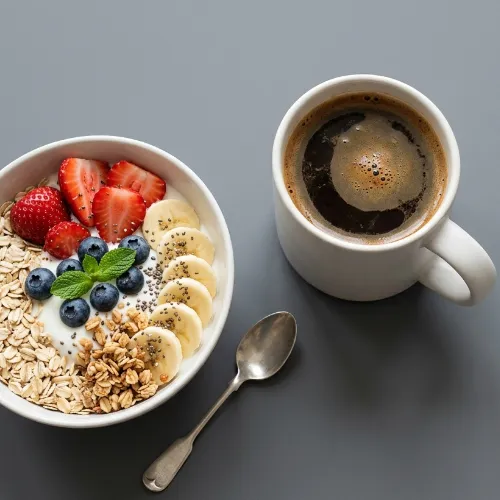
Then I eat breakfast with my family.
I eat bread and drink coffee.
Then I eat fruit.
Por que funciona: Mostra preparação. Você está quase pronto para sair.
I get dressed and pack my bag for work.
I wear a blue shirt.
I pack my laptop in my bag.
I get dressed fast.
Por que funciona: ‘After that’ sinaliza o fim da rotina em casa e o início do seu trajeto.
After that, I leave the house and go to work.
I lock the door.
I take the bus.
I go to the office.
Interactive Execution.
Click a phrase on the left side.
Then click the matching phrase on the right side.
Combine them to build the complete sentences.
Match the Morning Routine Sentences
Real-World Implementation.
You learn by doing. O conhecimento só se fixa quando você associa as palavras à sua realidade física. Do this task right now.
- Close this page.
- Stand up. Look around your room.
- Walk to your bathroom. Touch your toothbrush. Say out loud: “I brush my teeth”.
- Go to your kitchen. Touch a coffee cup or a plate. Say out loud: “I eat breakfast”.
- Look at your front door. Hold your keys. Say out loud: “I leave the house”.
Repetir a ação física enquanto produz o som força o seu cérebro a adotar o idioma como uma ferramenta de sobrevivência diária. Faça esse teste nas próximas 24 horas.
Lessons selected for you.