
The “Get” System.
● Module 3 – English Blocks
Nesta lição, você vai descobrir como usar esse bloco único para descrever quase todos os seus movimentos e mudanças ao longo do dia, sem precisar pensar em regras de conjugação.
Get. Got it!
The “Get” System: Navigating Your Daily Transitions.
Pense no “Get” como o botão de transição do inglês. Ele mostra que você está mudando de um estado para outro, de um lugar para outro ou conseguindo algo que não tinha antes.
English Blocks: Welcome to the “Get system”.
Olhe para as imagens abaixo e pense na sua rotina diária. Você consegue identificar o momento exato em que você muda de situação?
Diga as palavras em voz alta. O foco não é analisar a estrutura. O objetivo é reconhecer o padrão visual e conectar ao som em inglês. Cada uma dessas imagens representa uma transição na sua realidade. É exatamente aqui que o bloco “Get” entra em ação.
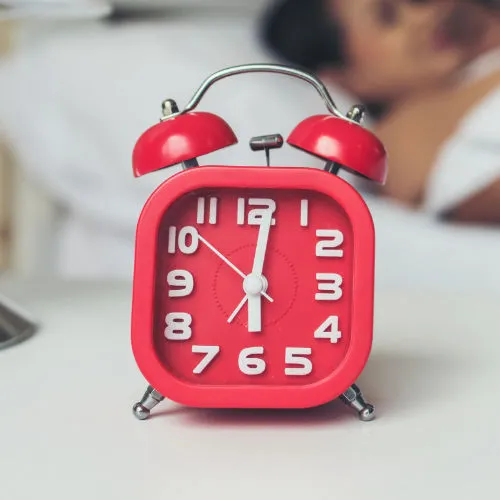
6:00 AM in the morning | Going to work | Working in the office | A cup of coffee | Coming home from work



Pattern Recognition.
Em vez de focar em verbos isolados como acordar, pegar ou chegar, observe como os nativos usam o bloco Get combinado com uma palavra de direção ou um objeto.
Perceba que a palavra central não muda. O que muda é o destino ou o objeto. Você só precisa fixar o bloco inteiro na memória, como se fosse uma palavra única: get-up, get-a-coffee, get-to-work.
Here are the core language blocks.
Read the main phrase.
Read the short examples.
See how the pattern works in real life.
Get up:
Transição da cama para o chão (Levantar-se).
Every morning,
I get up at 6:00 AM.
I wake up.
I get up.
I brush my teeth.
Get a coffee:
Transição de não ter café para ter café (Pegar/comprar um café).
Before work,
I get a coffee.
I get up.
I brush my teeth.
Before work, I get a coffee.
Get in the car / Get on the bus / Get a Taxi / Get a Uber:
Transição do lado de fora para o lado de dentro do transporte (Entrar/embarcar).
Get in the car / Get on the bus / Get a Taxi / Get a Uber.
Before work, I get a coffee.
then.
I get my car.
I go to work.
Get to work: Transição de estar a caminho para estar no local de trabalho (Chegar ao trabalho).
Get to work.
I get my car.
I go to work.
I get to work around 8:30 AM.
Get home:
Transição do mundo exterior de volta para o seu porto seguro (Chegar em casa).
I Get home.
I go home.
I get home 6:30 PM.
Interactive Execution.
This interactive block tests your pattern recognition.
Click the context phrase on the left side.
Then click the matching target chunk on the right side.
Daily Transition Builder
Arraste os blocos na ordem correta da sua rotina da manhã para ativar o padrão.
Real-World Implementation.
Now that you’ve trained the mechanical pattern on the screen, you need to take it to your physical world immediately.
- Tomorrow morning, the exact moment you put your feet out of bed, say aloud or think firmly: “I get up.”
- When you go to get or buy your first drink of the day, mentally repeat the block: “I get a coffee” (or tea, or water).
- When you sit in your office chair or open your laptop in your home office, validate the final transition: “I get to work.”
Executar a ação enquanto produz o som fixa o bloco na sua memória muscular.
Apply this process today and notice how the words come out faster without hesitation.
Your challenge: Don’t use Portuguese to describe these three basic transitions for the next 24 hours. Use the power of this single block to dictate the rhythm of your day directly in English.
Lessons selected for you.